Legal Framework for Venture Capital: A Breakthrough to Boost the Innovation Ecosystem
07 Nov, 2025
In order to exchange and discuss mechanisms, policies and international experiences in promoting venture capital for innovative startups, the Department of Startups and Technology Enterprises (Ministry of Science and Technology) organized a workshop on "Model and mechanism of operating venture capital funds using the state budget: International experience and applicability in Vietnam". The workshop was organized to implement Decree No. 264/2025/ND-CP of the Government issued on October 14, 2025.
Perfecting institutions, promoting domestic venture capital
Speaking at the workshop, Deputy Minister of Science and Technology Hoang Minh emphasized that the issuance of the Decree demonstrates the Government's determination to promote the development of science, technology and innovation. In particular, the State proactively invests, accepts risks to accompany businesses, supports research activities, technology development and product commercialization.
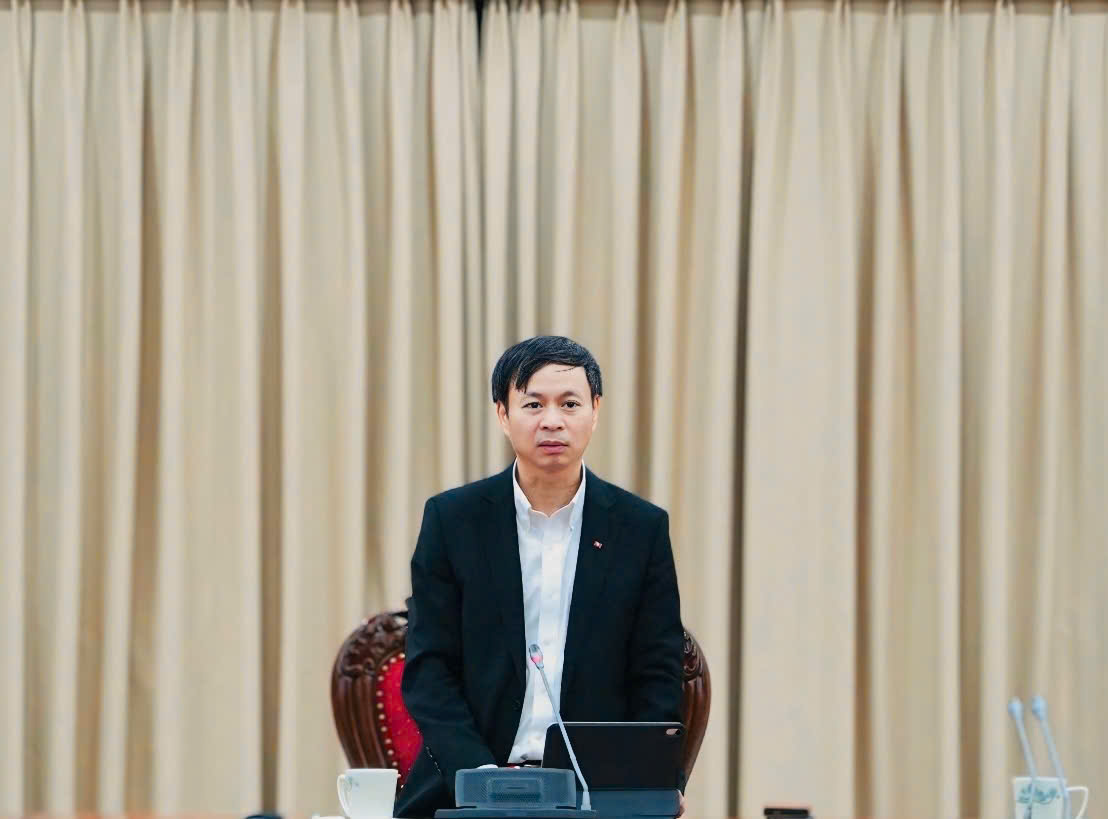
Deputy Minister of Science and Technology Hoang Minh speaks.
According to Mr. Pham Hong Quat, Director of the Department of Startups and Technology Enterprises, Decree 264/2025/ND-CP marks a qualitative change in the public investment mechanism for innovative startups. The development of the Decree involved leading experts and investment fund representatives, demonstrating an integrated and practical mindset. This is a multi-dimensional model, directly serving the national startup ecosystem in the coming period.
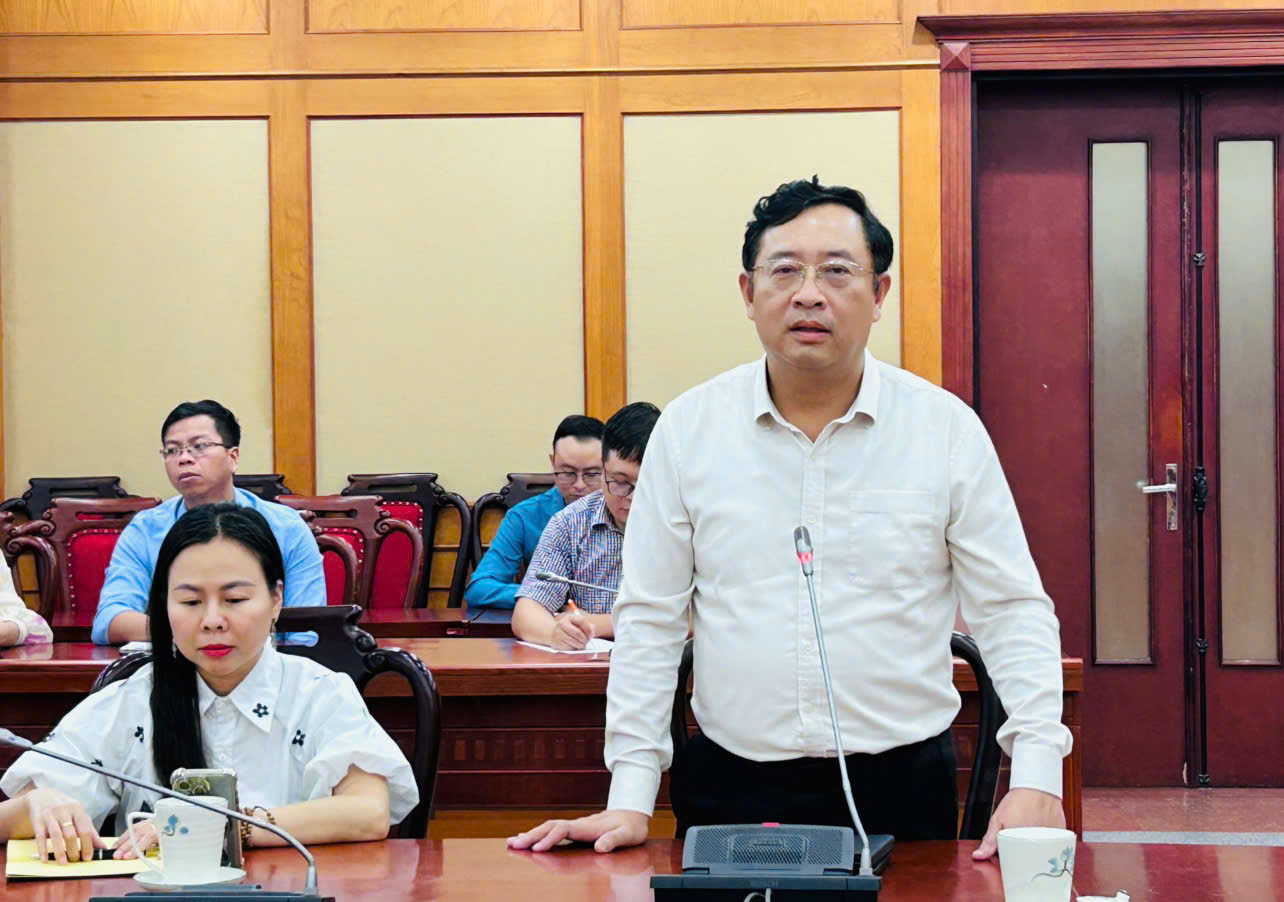
Mr. Pham Hong Quat spoke at the workshop.
The Decree specifies the establishment, organizational structure, management and use of capital of venture capital funds, clearly defines the proportion of state budget capital, the monitoring mechanism and the rights and obligations of participating entities, in accordance with the provisions of the Law on Science, Technology and Innovation.
According to experts, the promulgation of this Decree fills a long-standing legal gap in the Vietnamese venture capital market, opening up opportunities to attract socialized capital flows, forming a more transparent and dynamic investment environment for innovative startups.
One of the important highlights is to encourage the private sector to participate in venture capital. Enterprises are allowed to contribute capital to funds using state budget capital, in accordance with their development strategies. This mechanism helps to closely link the public and private sectors, operate capital sources flexibly and effectively, gradually reduce dependence on the state budget and promote a culture of innovation in the business community.
In addition, Decree 264/2025/ND-CP also aims at digital transformation in venture capital by building a digital connection platform between startups - investment funds - experts - startup support organizations. This network helps increase transparency, shorten the investment process, especially supporting potential projects in localities where startup activities are limited in infrastructure and opportunities to access investors.
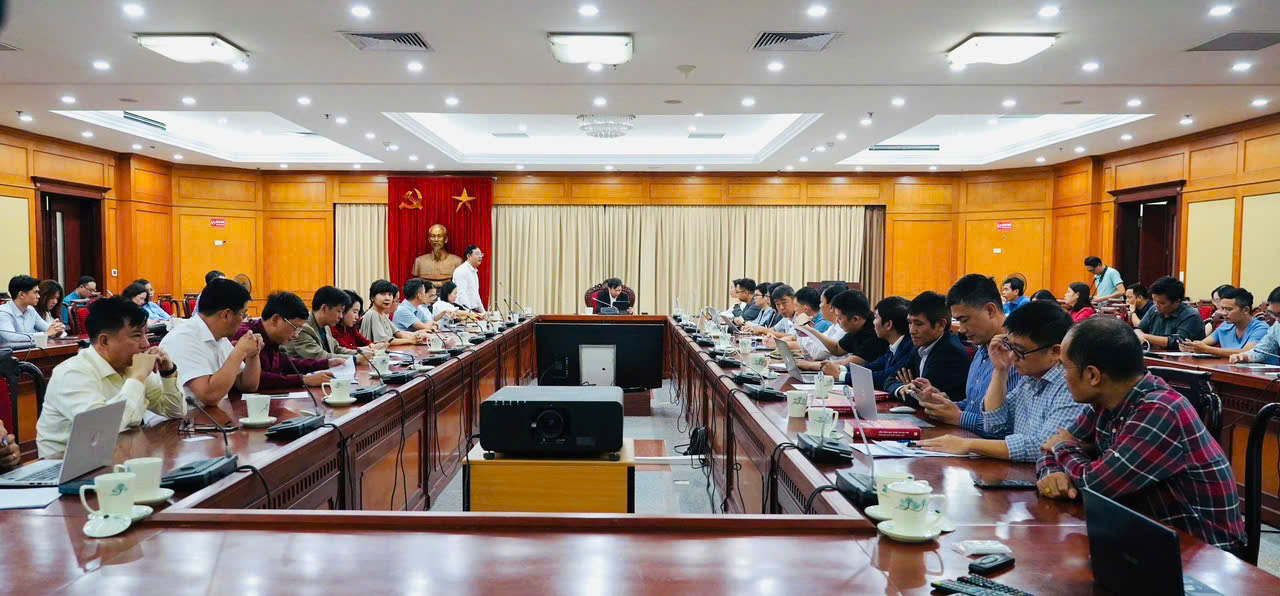
Overview of the Workshop.
International experience and suggestions for Vietnam
At the workshop, experts shared many valuable experiences from countries that have strongly developed the model of state-owned venture capital funds.
Mr. Pham Tuan Hiep (BK Holdings) said that after a period of stagnation, the Vietnamese venture capital market needs a policy "push" to start and develop sustainably. There are currently about 4,000 startups, mainly in the field of information technology, while startups in core technology (deep-tech, high-tech) such as new materials, energy, and semiconductors are still very few. The leading role of the State is a key factor, especially through the National Venture Capital Fund, which acts as a bridge to promote capital flows and encourage the private sector to participate.
Mr. Bui Thanh Do, Founder and Chairman of ThinkZone Ventures, said that building a venture capital fund model in the spirit of Decree 264 requires learning from the experiences of Korea, Singapore, China and Israel, countries that have successfully combined public and private capital. In Korea, the "Fund of Funds" model has mobilized more than 31 billion USD in investment capital, while Singapore applies a flexible co-investment mechanism, ensuring market nature while still maintaining the strategic orientation of the state.
From a Japanese perspective, Mr. Ogata Ryosuke, General Director of MRIV International, Mitsubishi Research Institute in Vietnam, said that Japan's National Public-Private Investment Fund model has proven effective in promoting innovation. With the participation of the Government and more than 25 large corporations such as Mitsubishi, Toyota, Sony, Hitachi, etc., the fund has become a driving force to open up private capital flows and form new high-tech industries.
Decree 264/2025/ND-CP is a step to concretize the Government's policy on promoting venture investment associated with the goal of developing a national innovation ecosystem. The national venture capital fund will be granted a minimum of VND 500 billion in initial charter capital, aiming for a scale of VND 2,000 billion in 5 years, while mobilizing additional social and private sector resources.
Allowing the fund to hire a professional management unit, applying a flexible risk management mechanism and exempting liability in cases of objective risks are considered progressive points, helping to increase initiative and professionalism in investment activities.
Experts assess that the Decree will be a turning point in the development of venture investment in Vietnam, creating strategic financial resources for innovative enterprises, promoting the transition to a knowledge-based economy, enhancing national competitiveness and adaptability to global fluctuations.
Center for Science and Technology Communication