Decree 268/2025/ND-CP: Specifying the mechanism to promote innovation using the state budget
06 Nov, 2025
This is an important document specifying the mechanism, criteria and conditions to promote innovation activities using the state budget, contributing to realizing the goal of forming a national innovation ecosystem and encouraging the business sector to invest in science and technology.
Classification of innovation tasks
According to the Decree, science, technology and innovation tasks and programs include science and technology tasks and programs and innovation tasks and programs. Based on the method of determination, the formation of innovation tasks is carried out in the following forms: Funding; ordering or basic innovation tasks.
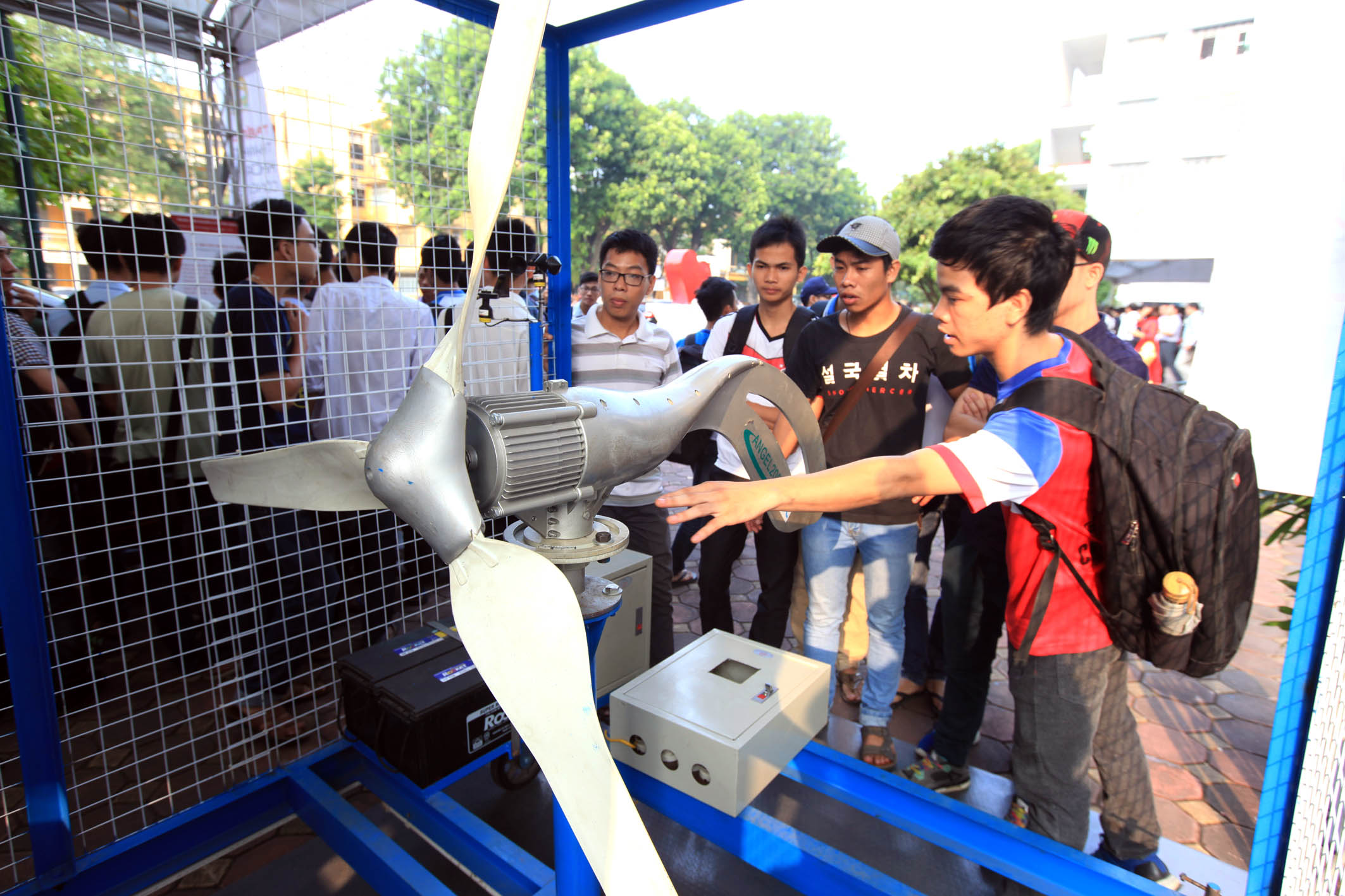
The Decree clearly stipulates the types of tasks of innovation. Illustrative photo.
Innovation tasks are classified as follows: Innovation tasks within the framework of national science, technology and innovation programs on technological innovation; creative startups; developing intellectual property rights, improving productivity and quality of goods and products; Innovation tasks within the framework of science, technology and innovation programs of ministries, ministerial-level agencies, government agencies, other central agencies and competent authorities; Innovation tasks not through programs to be implemented according to priority orientations or specific requirements of the innovation task management agency.
Based on content, innovation tasks are classified as follows: Technological innovation tasks; developing intellectual property rights, improving productivity and quality; creative startup support tasks; loan interest support tasks; support tasks through financial support vouchers.
The Decree also stipulates the principles of management and organization of implementation of innovation tasks, in which enterprises, organizations and individuals performing the tasks are responsible for the objectives, progress, efficiency and use of funds; and the management agency ensures publicity and transparency in approving, inspecting, supervising and allocating funds for implementation.
Criteria for selecting innovation tasks
Regarding the criteria for selecting innovation tasks using the state budget, the Decree requires ensuring the feasibility of objectives, content, methods, implementation plans, time and total funding; Complete and clear proposal documents, specifically identifying objectives, content, implementation plans, expected outputs, financial plans and capital structure (including counterpart funds, if any); Ability to directly apply and impact, create economic efficiency or solve social problems, contributing to improving productivity, quality, competitiveness, environmental protection and sustainable development. The tasks must comply with the requirements stated in the notice of the competent state agency; ensure compliance with the provisions of the law on intellectual property, technology transfer, standards, technical regulations, safety, environment and relevant laws. The proposing organization must have sufficient conditions on facilities, human resources, finance and a feasible implementation plan. The content must comply with one of the types of tasks specified in Clause 3, Article 5 of this Decree.
In addition to the general criteria specified in Clause 1 of this Article, depending on the type of task specified in Clause 3, Article 5 of this Decree, the innovation task must also meet the criteria specified in one of the points a, b, c, d, dd, specifically:
Technological innovation tasks must ensure the creation of new products, services, processes or business models, or have significant improvements compared to existing ones; with specific technical and economic indicators and the ability to put into application; and must have one of the following activities: Replacing part or all of the technology in use with new, advanced or high technology to improve performance, added value, socio-economic efficiency, environmental and ecological protection; Mastering and localizing core or important technology, reducing dependence on imported technology; having the ability to replicate in the industry or field; Having a contract, agreement or legal commitment on technology transfer; the technology transferee has a suitable plan to receive, master and develop products based on the transferred technology; in case of receiving a transfer of ownership or right to use technology, it must be proven according to legal regulations.
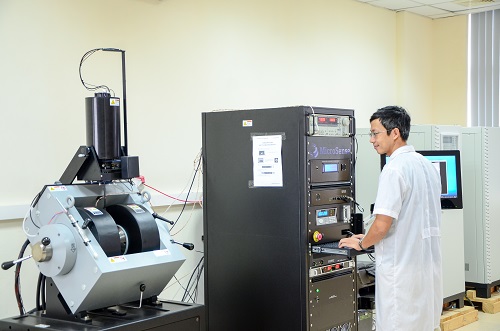
For the task of developing intellectual property rights and improving productivity and quality, it is necessary to ensure urgency and consistency with the goals. Illustrative photo.
For the task of developing intellectual property rights, improving productivity and quality, it is necessary to ensure urgency, consistency with the goals, program content and orientations, plans for economic, social, science, technology and innovation development of the industry, field and locality. The results and products are applied or solve practical problems, are sustainable and can be maintained and replicated after the task ends.
The task must assess the current status of technology, equipment and processes; propose solutions to upgrade, modernize, apply digital technology and advanced management systems; deploy tools to improve productivity, quality management, human resource training and optimize production costs. The output is the result of registration, protection and exploitation of intellectual property rights, contributing to improving the effectiveness of enforcement and combating infringement of intellectual property rights.
For the task of supporting innovative startups, it is necessary to have solutions to attract experts, investors, large domestic and international enterprises; mobilize or optimize resources from the private sector, venture capital funds, innovative startup investment funds, international organizations, innovative startup support organizations; strengthen the connection between entities in the innovative startup ecosystem at the local, national, and international levels. At the same time, support innovative startups or partners in technology, intellectual property, legal, financial, administrative, marketing, investment connection; support information, communication, trade promotion for innovative startups, science and technology enterprises. For the task of supporting loan interest rates, the project must be approved by the competent authority, approved for lending by a credit institution and have content of applying, transferring or innovating technology in accordance with the priority orientation of the National Technology Innovation Fund and the Science, Technology and Innovation Funds of ministries, branches and localities. Priority is given to projects using technology in the list of high technology, strategic technology or technology encouraged for transfer.
For the task of supporting through financial support vouchers, new products and new services must meet standards, technical regulations, have a circulation license or certificate of conformity to circulate on the market. Products and services must have new elements in technology, features, business models or markets; priority is given to products and services created from technology in the list of technologies encouraged for transfer, high technology, strategic technology; have the ability to replicate, commercialize or expand the market.
Conditions for participation in the consideration of funding and ordering the implementation of innovation tasks
Enterprises and organizations with legal status, functions, tasks or business lines appropriate to the specialized field of the task, with appropriate capacity, ensuring the implementation of the task on schedule and with quality, have the right to register to participate in the consideration of funding and ordering the implementation of innovation tasks.
Enterprises and organizations are not eligible to register to participate in the consideration of funding or ordering the implementation of tasks in the following cases: not yet completed the settlement or refund of the recovered funds for tasks using the state budget; have been suspended from performing S&T tasks due to violations of the law (within 1 year from the date of expiration of the suspension period); or are being suspended from operation or prosecuted.
Within 30 days from the date of confirmation of valid dossiers, the agency managing the innovation tasks shall organize the review of the tasks. The organization of innovation task review and approval is decided by the innovation task management agency and implemented in one of the following forms: Self-review; establishment of a review board or hiring a consulting organization for review.
The Government's issuance of Decree 268/2025/ND-CP marks an important step forward in institutionalizing innovation policies, especially the mechanism for selecting, classifying and managing innovation tasks using the state budget. The new regulations help to clarify and standardize the process from the selection stage to the implementation stage, while creating a strong motivation for businesses, research institutes and universities to participate in innovation and commercialization of research results.
The Decree is not only a legal tool, but also a policy lever to promote the formation of a knowledge-based economy and innovation - a new growth driver for Vietnam in the period of digital transformation and deep integration.