Science, technology and innovation – Central driving force of green transformation and national sustainable development
03 Nov, 2025
Perfecting institutions – creating a synchronous legal corridor for green transformation
The world is entering a new stage of development, when economic growth is closely linked to the requirements of reducing emissions, saving resources and protecting the environment. Countries are shifting their development models from “brown” to “green”, from relying on resource exploitation to relying on knowledge and technology.
For Vietnam, green transformation, digital transformation and innovation are not only inevitable trends but also key political tasks to ensure rapid, sustainable and autonomous development.
Recognizing that, the Party and State have issued a series of important resolutions such as Resolutions No. 57-NQ/TW, 59-NQ/TW, 66-NQ/TW, 68-NQ/TW and 70-NQ/TW, affirming that science, technology and innovation are the central driving forces of development. This is the foundation for promoting the transformation of the growth model and restructuring the economy towards green, digital and circular.
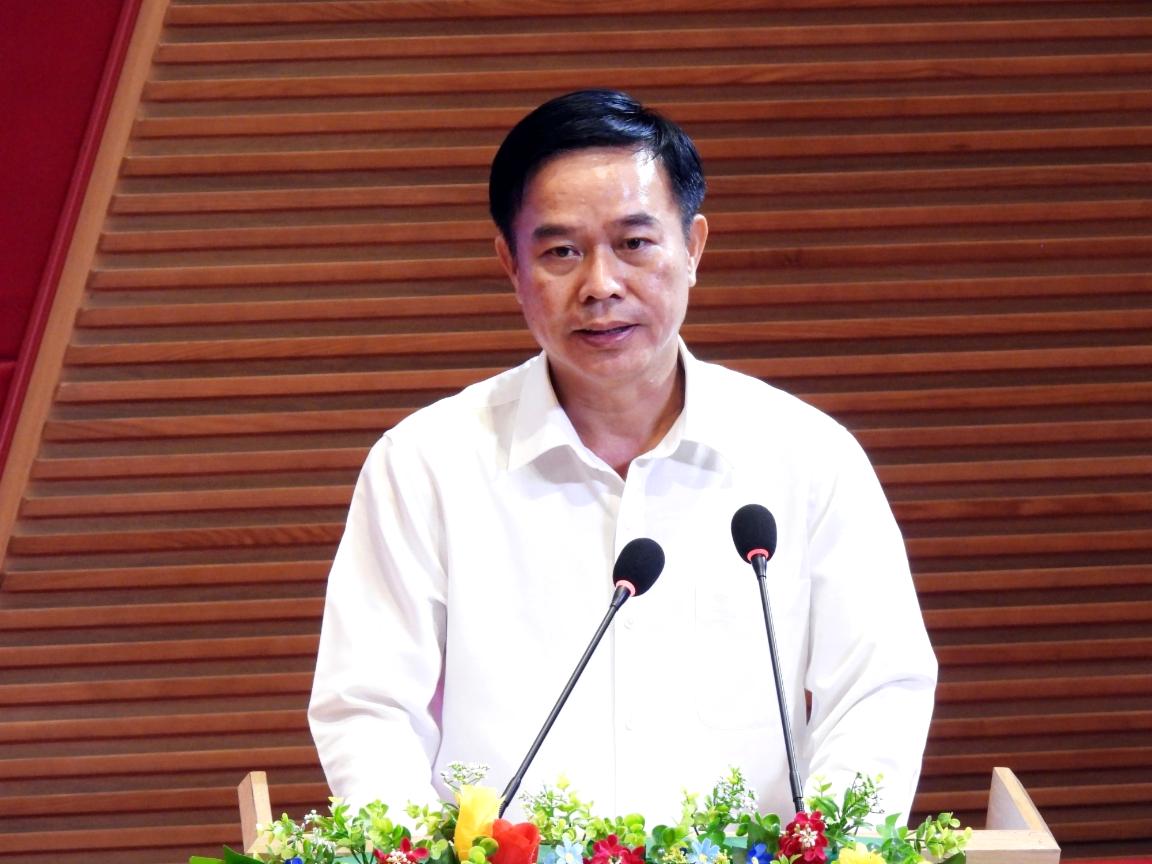
Speaking at the 4th P4G Summit, Minister of Science and Technology Nguyen Manh Hung emphasized: “For a successful green transformation, Vietnam needs a complete and balanced green ecosystem, in which green technology plays a decisive role.”
Based on the orientation of the Party and the Government, the Ministry of Science and Technology has identified five strategic breakthroughs to realize the goal of green development: Perfecting institutions and legal policies on science, technology and innovation; Developing green energy technology and platform technology for sustainable development; Building a green standards - measurement - quality system; Forming a green innovation ecosystem; Developing “green - digital” human resources and expanding international cooperation.
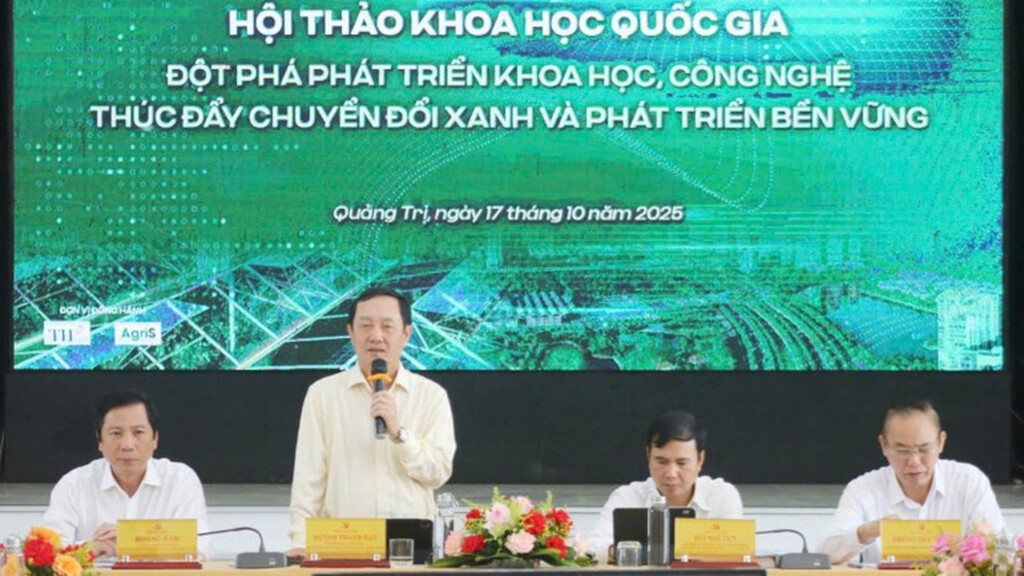
In particular, institutional breakthroughs are considered the first focus. The development of the Law on Science, Technology and Innovation (amended) is an important institutional turning point, creating a synchronous and modern legal foundation, helping science and technology truly become the "lever" of green transformation.
This Law stipulates many new breakthrough mechanisms: post-audit management, policy testing (sandbox), green financial incentives, encouraging venture investment, and increasing autonomy for science and technology organizations. Along with that, the Law also focuses on digital transformation in state management, building a national data platform on science, technology and innovation, thereby increasing transparency, connectivity and efficiency in policy implementation.
In parallel, the Ministry of Science and Technology is urgently completing the system of decrees guiding the implementation of the Law, focusing on key areas such as finance, investment, science and technology task mechanisms, venture capital fund activities, and policies to encourage innovative enterprises. This is an important legal corridor to encourage the private sector to invest in green technology, thereby spreading the sustainable development model across the economy. The Prime Minister issued Decision No. 1131/QD-TTg in 2025 approving the List of national strategic technologies and strategic technology products, in which the green energy sector is placed at the center. Core technologies such as wind, solar, green hydrogen, energy storage, and nuclear power for peaceful purposes are identified as the pillars of the future industrial ecosystem. The Ministry of Science and Technology is implementing many key research programs to master and localize these core technologies, combined with the application of digital technologies, such as artificial intelligence, big data, Internet of Things (IoT), blockchain to monitor energy, optimize emissions and trace carbon origin.
Along with that, the Ministry also promotes research on low-carbon technology, circular technology, biomaterials and green materials, towards building a low-carbon economy and a circular economy, two pillars of the sustainable development model.
In the field of standards - measurement - quality, the Ministry of Science and Technology is building a national green standards system, covering more than 10 key areas such as renewable energy, environmental management, biomaterials, smart cities and sustainable agriculture. To date, there have been about 400 national standards (TCVN) directly related to green transformation. These standards help businesses reduce energy costs, save resources, and improve competitiveness and meet export requirements in the context of increasingly strict environmental standards in major markets.
In particular, the Ministry is also promoting the formation of a green innovation ecosystem, where the State creates, businesses play a central role, and research institutes and universities are sources of knowledge and human resources. Vietnam currently has more than 4,000 innovative startups, of which about 300 operate in the field of green transformation, focusing on renewable energy, environmental technology, sustainable agriculture, circular materials and green transportation.
Through programs such as Techfest Vietnam, the National Innovation Award, or the National Technology Innovation Fund (NATIF), hundreds of green innovation projects have been supported in accessing capital, legal advice, intellectual property protection and product commercialization. Many models have been successful, such as the household solar power system with integrated storage, the smart farming model that saves water and reduces emissions, or the technology to recycle plastic waste into environmentally friendly construction materials.
At the international level, Vietnam is expanding cooperation with partners such as KIST (Korea), Fraunhofer (Germany), JST (Japan), and the World Bank, aiming at technology transfer, developing green innovation centers, and participating in international research networks. This is the direction that helps Vietnam shorten the technology gap, take advantage of opportunities from the fourth industrial revolution to serve the goal of green development.
Developing human resources and "green - digital" thinking for the future
Green transformation cannot be successful without people, the decisive factor of every innovation process. The Ministry of Science and Technology has set a goal of developing a “green-digital” workforce capable of researching, designing and applying green technology in key economic sectors.
Training programs for high-level science and technology human resources are being implemented in line with the practical needs of businesses, especially in areas such as renewable energy, new materials, artificial intelligence, big data and circular economy. At the same time, the Ministry also promotes the linkage between institutes, schools and businesses, forming a network of experts and green technology incubation centers nationwide.
Scientific communication and public awareness raising have also been promoted, helping society better understand the value of green transformation and innovation in national development. Every citizen and every business, when changing their awareness and changing their production and consumption behavior towards sustainability, is contributing to realizing the national goal of net zero emissions.
From perfecting institutions, developing green technology and green standards, to forming an innovation ecosystem and green human resources, science, technology and innovation are increasingly asserting their central role in the process of transforming Vietnam's growth model.
As Minister Nguyen Manh Hung once affirmed: "To develop green, we must develop green technology; to develop sustainably, we must rely on innovation."
In the context of the world strongly shifting to a green economy, Vietnam has a golden opportunity to make a breakthrough, if it knows how to closely combine open institutions, advanced technology and high-quality human resources. With the right vision and drastic actions, science, technology and innovation will be the central driving force, leading Vietnam towards a green, self-reliant and prosperous economy.